July 16, 2026
Why Do Ministry Leaders Choose Competency-Based Theological Education?
Written By Grace Theological Seminary
Tagged With Deploy
Around fifteen years ago, seminary numbers started to decline as current and aspiring ministry leaders began to ask an important question: “Is seminary worth it?” Many pastors don’t want to uproot their families or leave ministry in order to pursue seminary training.
At the same time, churches were increasingly hiring gifted ministry leaders from business, education, counseling, and other professional backgrounds. While these leaders had a passion for ministry, they lacked seminary training that complemented their ministry and work responsibilities.
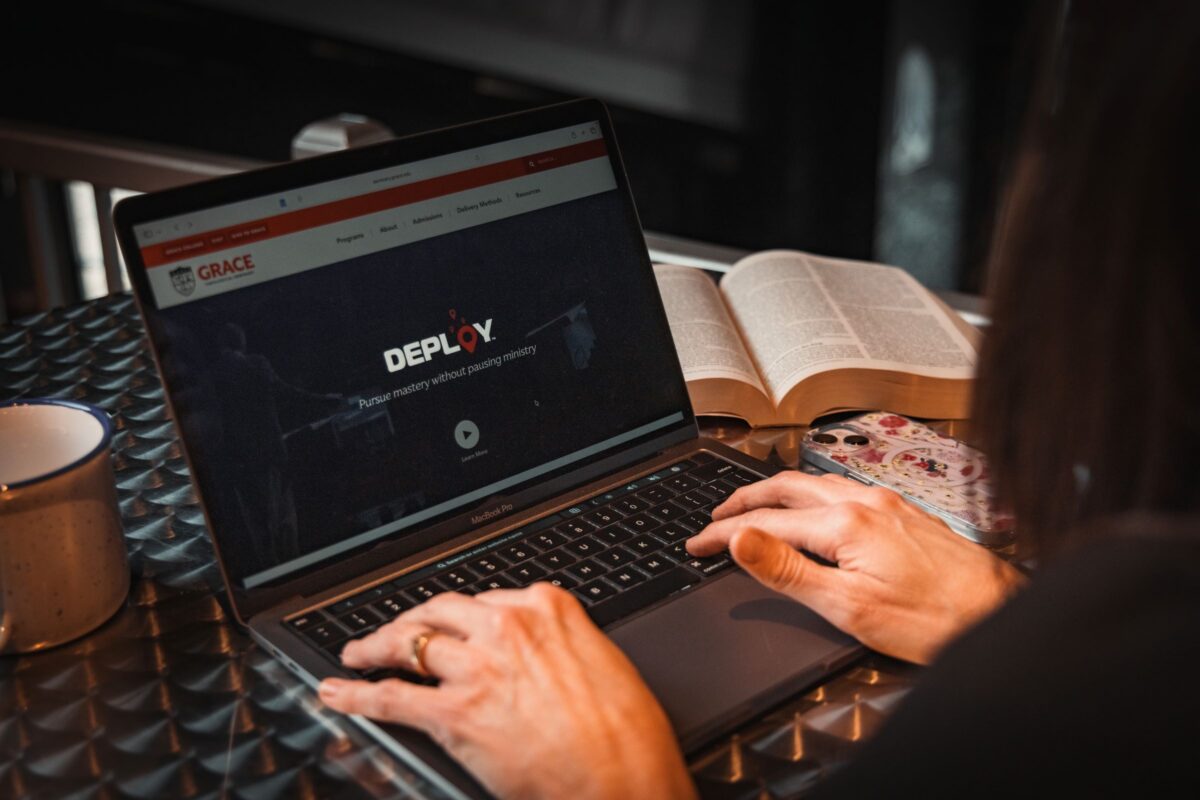
Deploy was created to meet this need. As one of the first competency-based theological education models to get approved by the Association of Theological Schools (ATS), Deploy combines the practical nature of ministry with the theological education of seminary to effectively equip ministry leaders where they are already serving.
What is Competency-Based Theological Education Through Deploy?
Deploy is a competency-based master’s online program that works in tandem with your local ministry. It is designed for learning focused on demonstrated competency rather than classroom seat time. While traditional education often measures learning by the hours spent in class, competency-based theological education measures whether students can actually demonstrate ministry skills and understanding at a high level.
In our program, students do not simply complete assignments to earn a passing grade. They must provide clear evidence that they can perform ministry competencies proficiently. They also need the character formation to lead and serve faithfully.
“Many other programs are about seat time and credit hours,” explained Chad Shively, Associate Director of Deploy. “Deploy is about students demonstrating competency. We want to know they can actually do the work of ministry effectively.”
This also means that students cannot simply submit a resume, ministry experience, or prior training for credit. Instead, students demonstrate competency through projects, ministry artifacts, and practical application tied directly to learning outcomes.
Why Does Competency-Based Theological Education Work For Ministry Leaders?
Competency-based theological education works especially well for students who are already serving in ministry. Many pastors and ministry leaders do not have the flexibility to relocate for seminary. Whether they are balancing their full-time ministry, work, marriage, parenting, or church planting, Deploy allows students to remain rooted in their churches while pursuing theological education.
Because the program is flexible, students can move at their own pace as they show competency. Some students may move quickly through material they already understand well, while others may take more time to fully develop the understanding and application to fulfill their competency.
This competency-based master’s model creates strong integration between classroom learning and practical ministry experience. Students are not merely learning the textbook knowledge of ministry. Instead, they are immediately applying their coursework in the ministry they currently serve.
“One of the biggest barriers for ministry leaders is questioning whether seminary is relevant,” said Shively. “In response, Deploy seeks to marry the academics with the practical side of ministry.”
Will I be Supported Throughout the Program?
One of the most unique aspects of Deploy’s competency-based master’s program is the mentorship models. Students in the Deploy program have two mentors: a formation mentor and a ministry mentor.
The formation mentor focuses on the student’s spiritual health, personal growth, and character development. The ministry mentor helps evaluate practical ministry leadership and hands-on ministry effectiveness.
Gabe Tribbett, the Director of Deploy, shared an example of the mentor and student relationship. One student in the Deploy program had completed their academic coursework with flying colors, but their mentor recognized that the student hadn’t practically grown in the content being taught. The student continued working with both the mentor and the professor until genuine ministry competency was demonstrated.
Here at Grace Theological Seminary, we believe this holistic approach better prepares students for long-term ministry faithfulness.
How Are Local Churches Involved?
Deploy’s competency-based theological education model was designed to serve the local church, not replace it.
Every student completes the program within the context of a local church or ministry setting. Churches provide mentorship, ministry opportunities, and real-world ministry experience throughout the student’s training.
“We believe the seminary is a servant of the church,” Tribbett explained. “We want to ask churches, ‘What do you need, and how can we help provide it?’”
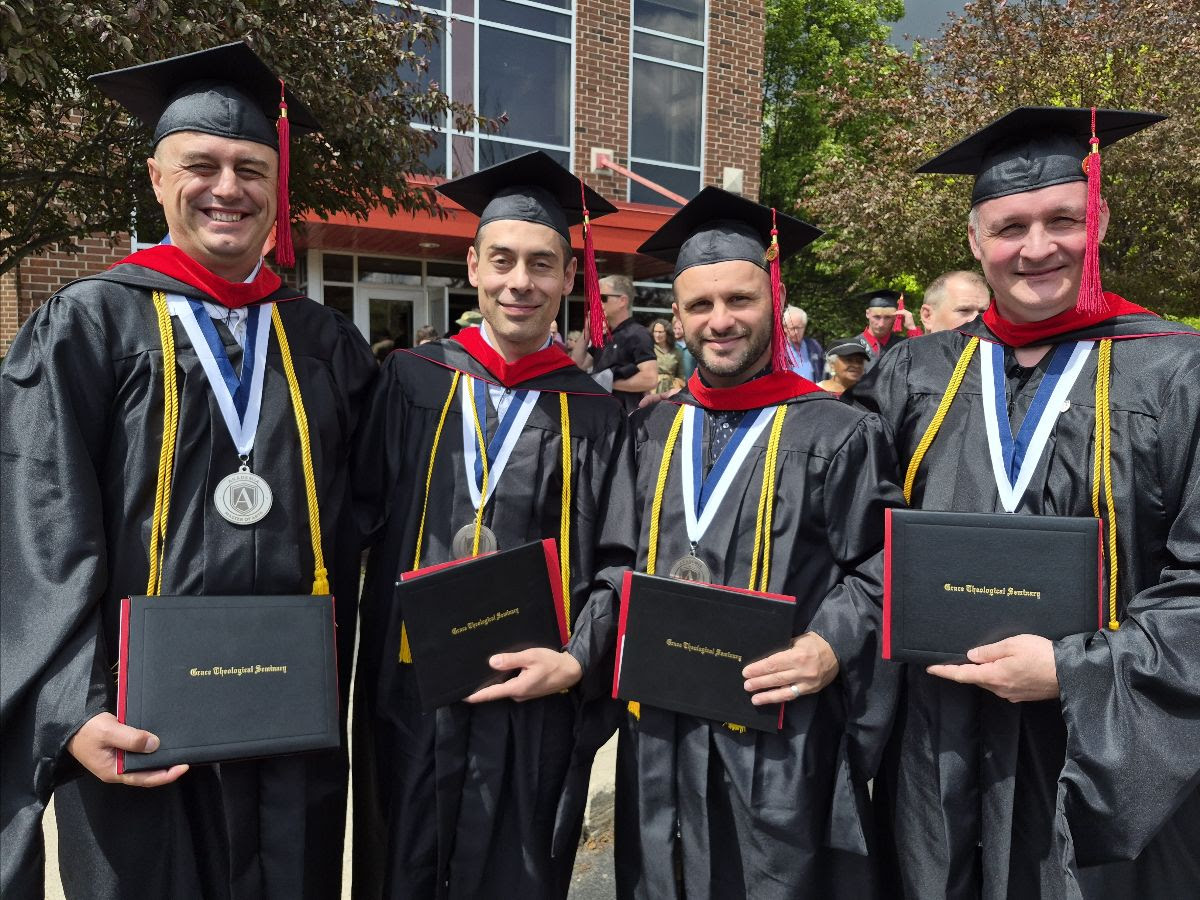
This model has also opened doors globally. Deploy partnerships now include ministry leaders in places like Serbia and Sierra Leone, where students are being equipped for ministry while continuing to serve within their own communities and cultures.
How Can I Get Started with Competency-Based Master’s Theological Education?
Getting started begins with a simple conversation!
Prospective students can connect with Grace Theological Seminary to discuss transfer credits, ministry experience, educational goals, and a personalized pathway through Deploy.
Transfer credit may be accepted from accredited institutions, but competency credit requires students to provide artifacts and projects that clearly demonstrate ministry competency connected to course outcomes.
If you’re looking for flexible, practical, and deeply rooted theological education, join our competency-based theological education through Deploy to make a true impact in your ministry.
Share
Tagged With Deploy