August 18, 2026
Why Church History Matters: What Every Christian Leader Should Know
Written By Grace Theological Seminary
Tagged With Preaching & Pastoring Ministry
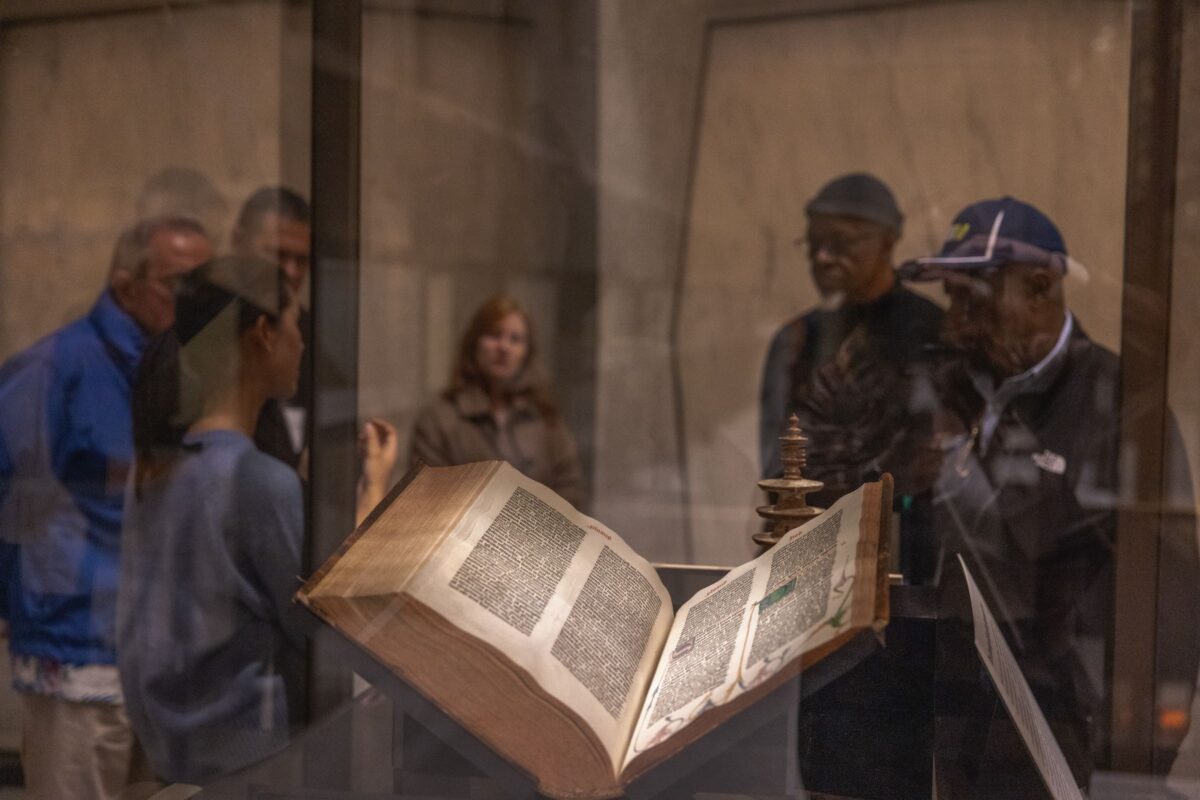
Church history matters because it gives Christian leaders perspective on current issues, connects their ministry to 2,000 years of tradition, and helps them identify and avoid theological error.
Still, church history is probably one of the more neglected and oftentimes poorly taught seminary disciplines. Everyone can think back to elementary school and recall a dull history course or teacher, and perhaps that colors their perspective on church history. Or maybe it is a discipline that feels quite removed from a future ministry context. After all, very little preaching, teaching, or counseling connects to the history of the Christian church.
Seminary isn’t simply about learning biblical facts but about preparing leaders to serve the Church with a historical perspective and theological depth. We believe there are several ways church history can serve us in ministry. Here are three of the more significant reasons.
Perspective
First of all, the history of Christianity and the early church can give us perspective on current issues facing the church. Studying history to the very first days of the early church is revealing. From nearly its outset, Rome was persecuting and sometimes killing Christians in horrible ways. It wasn’t until the 300s that persecution of Christians was even outlawed.
The Middle Ages were also not a good time for Christians, but in a different way. They were starting wars and dying from all sorts of diseases. When we experience trials as the Church, looking back and reading about the strength, perseverance, and love of Christians during those difficult times can give us great comfort and assurance.
Connect
Second, it can help us connect what the Church does every Sunday to a long tradition of what Christians have always done. As I have studied and taught Church History, it has been a joy to watch students connect what their church does not just to the year 2026, but to what has been done for 2000 years.
As you read more and more about the history of the Christian church, you will find a deep appreciation and connection to what churches throughout history have done. You’ll realize that what you are doing is what Polycarp, Augustine, Luther, Edwards, and others have done as well. You are not alone; you have giants behind you.
Protect
Third, it can keep us from making mistakes. This may be the most obvious, yet most necessary, of the benefits of studying church history.
One of the assignments I regularly give students is to research an ancient heresy and find evidence of it in the modern world. I have never had a student come back to me and say “I can’t find evidence of this heresy today.” There are still big mistakes being made today. Understanding church history can help us discern and identify what truth is and what is not.
Into the Future
George Santayana is credited with saying that “those who cannot remember the past are condemned to repeat it.” At Grace Theological Seminary (GTS), we are committed to equipping leaders who understand the history of Christianity and are prepared to shepherd God’s people into a glorious future.
Are you interested in learning more about GTS’s history and exploring your future in ministry? Since 1937, we have been equipping men and women to do the work of God. As time has marched forward, we too have developed new programs and delivery methods to answer the call to ministry.
To learn more about the history of Christianity and to be equipped to lead the church of the future, enroll in one of our seminary degrees.
Find a degree that fits you on our programs page.
FAQ’s
-
Church history equips ministry leaders with perspective, connection, and protection. Studying how the early church endured persecution, how believers throughout the centuries worshipped and served, and how heresies have surfaced repeatedly gives pastors and ministry leaders wisdom for navigating present-day challenges with discernment and confidence.
-
The history of Christianity reveals how believers across two thousand years have faced trials, persecution, and theological controversy, yet remained faithful. From the early church’s suffering under Roman persecution to the doctrinal battles of the Middle Ages, Christian history shows that today’s church is part of a much larger story, one filled with examples of perseverance, courage, and conviction worth remembering.
-
For those preparing for Christian ministry, church history offers more than historical facts; it builds discernment. Recognizing that many modern theological errors are simply old heresies in new packaging helps ministry leaders identify false teaching and remain rooted in sound doctrine as they shepherd God’s people.
-
Christian history includes influential figures such as Polycarp, Irenaeus, Augustine, Aquinas, and Martin Luther, each of whom shaped theology, practice, and the church’s response to cultural and doctrinal challenges of their time. Learning their stories helps believers and ministry leaders see themselves as part of a long tradition of faithfulness rather than an isolated, modern effort.
-
Many practices observed in churches today, including worship, preaching, and the sacraments, trace back to traditions established in the earliest days of Christianity. Understanding this history helps believers see that what their local church does each Sunday is part of a continuous legacy stretching back two thousand years, not something invented in the modern era.
-
Seminaries integrate the history of Christianity into ministry preparation because understanding the past equips leaders to interpret present challenges accurately and avoid repeating past mistakes. Knowing church history helps future pastors and ministry leaders identify theological error, draw encouragement from those who came before them, and lead the church into the future with wisdom and conviction.
-
Grace Theological Seminary has trained men and women for Christian ministry since 1937, integrating church history into its degree programs to equip graduates to shepherd God’s people with both theological depth and historical perspective.
Share
Tagged With Preaching & Pastoring Ministry