September 22, 2026
How to Lead a Healthy Church
Written By Grace Theological Seminary
Tagged With Preaching & Pastoring
By Anna Rosebrook (Grace College M.B.A. 26)
Success is often measured by the same marks across varying industries. How big is the building? How big is the budget? How busy is the calendar? Often, people fall into the same thought process when measuring the success of the Church.
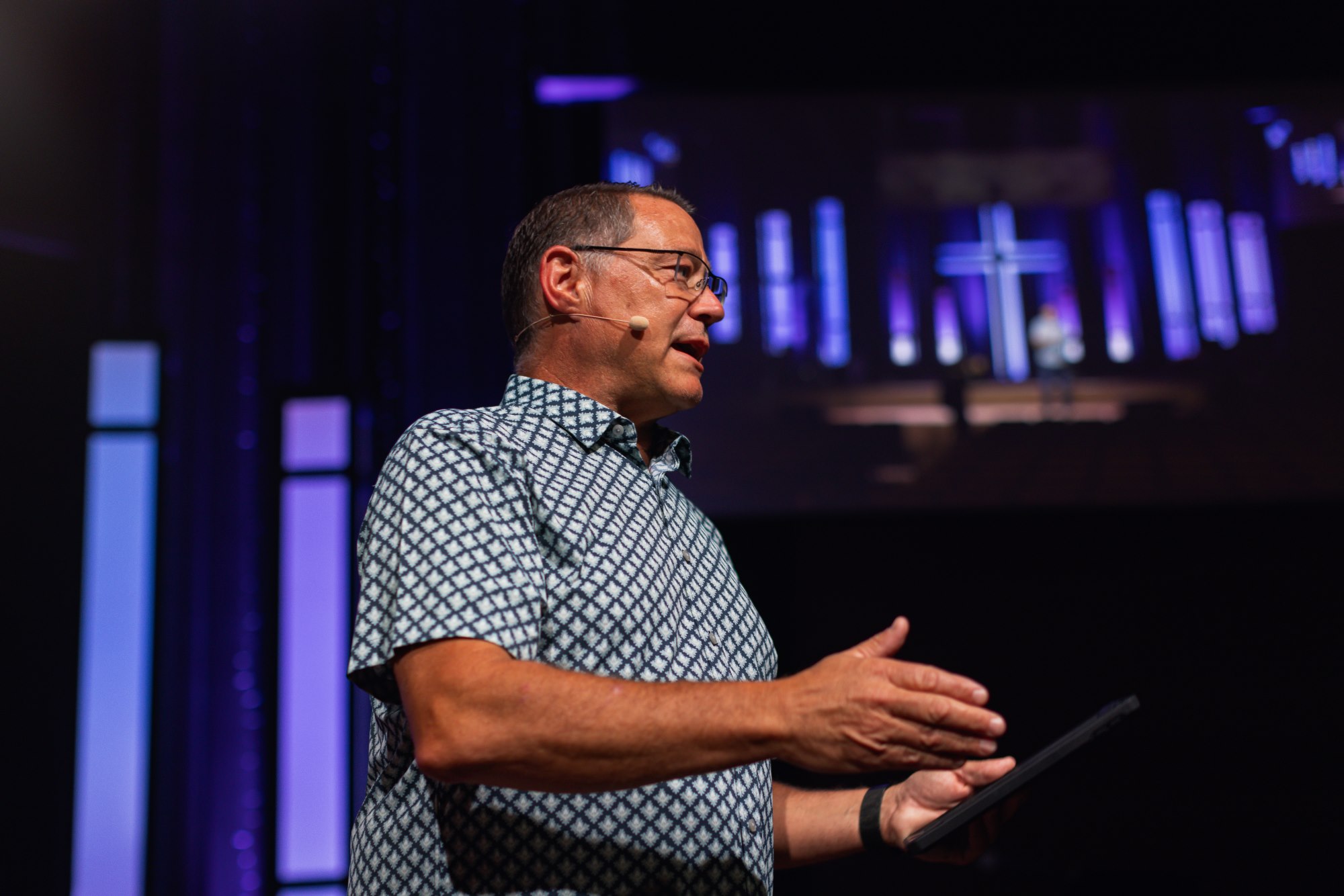
John Smith, who served Grace Church at Willow Valley for 33 years as Lead Pastor and is now Senior Associate Pastor, has spent 47 years in pastoral ministry and has seen this in action. “Here in America, it’s like bigger is better,” he said. “It’s all about the B’s: big building, budget, and busyness.”
A growing facility or a full calendar can signal that God is at work. Still, it shouldn’t be the stick by which a church measures its success.
Smith also teaches “Understanding Biblically Healthy Churches” in Grace’s competency-based theological education model, Deploy. With decades of pastoral ministry, he has a clear view of what actually makes a church healthy, and what doesn’t!
How to Build a Healthy Church
In Smith’s class, he uses Mark Dever’s Nine Marks of a Healthy Church as a foundation text. “The first mark he mentions is expository preaching,” said Smith. “Dever says this is the most important mark of a healthy church. If you get this wrong, you’ll likely get others wrong. But if you get this right, the other things fall into place.”
The other marks follow: biblical theology, the Gospel, a biblical understanding of conversion, a biblical understanding of evangelism, church membership, church discipline, discipleship and growth, and church leadership.
While these structures need to be in place, the people leading the church develop them. Smith created an acrostic for the kind of heart a pastor needs to sustain faithful ministry: HEART.
H – Humility: “A lead pastor needs to come to the realization that the church is not his; it’s Christ’s. You need to come to a point where you realize that God is God, and I am not,” said Smith.
E – Enthusiasm for Christ and the Gospel: God has wired us in such a way to be enthusiastic about things. Just as we have enthusiasm for our sports team, our greatest need is to be enthusiastic about Christ.
A – Awe: We throw around the word awesome, but we need to see God for how awesome He is. “If you look at the definition of awesome, really the only being in the universe that’s really worthy of that tag is God,” said Smith.
R – Repentance: We need to have a heart that’s quick to repent, turning away from the idols we’re worshipping and turning toward Christ.
T – Thankfulness: 1 Corinthians 4:7 says, “What do you have that you did not receive?” Everything is from the Lord, not a result of our own works.
When church leaders have this heart grounding them, they will be well equipped to shepherd well for the long haul.
Church Leadership
Living out these principles isn’t always easy. You need a team of elders and deacons to support, encourage, and hold each other accountable.
Early in his pastorate, Smith realized that several of the elders he’d inherited from the previous pastor weren’t biblically qualified for the role. When he asked how the pastor had chosen them, they gave him a troubling answer. Smith explained, “The pastor would zero in on men who were fairly consistent in their Sunday morning attendance and just ask them if they wanted to be elders.”
Smith then made a difficult call that might’ve even cost him his position if it didn’t work. He recommended that the congregation disband the entire elder team and replace it with a “leadership team,” men on the path toward eldership who still needed real training.
Elders should possess verified spiritual maturity, a deep grasp of the Scripture, and proven character. Simply attending church does not qualify someone for eldership.
Thankfully, the congregation approved the change unanimously, and the training he started produced “a number of biblically qualified, godly men.”
Smith learned this valuable lesson: a church needs more than a sole leader. “A key to a healthy church is having godly men leading, not just a solo pastor, because it’s so easy for a pastor not surrounded by a godly community to be at risk of going down the wrong path,” said Smith.
Formal Training to Lead a Healthy Church
If your church realizes it’s in an unhealthy place, Smith’s advice is simple: go back to the marks themselves. “Take the biblical healthy marks of a church, and start looking at them to see where you are falling short,” he said.
For many, theological training provides the foundational knowledge and practices to build a healthy church. “You need to go to the right seminaries,” said Smith. It’s important to find a seminary that builds its entire curriculum on Scripture itself.
Seminary training shapes how a ministry leader leads, develops other leaders, and learns to recognize and pursue the marks of health in their own ministry.
“You should be able to go into any church and identify and see evidence of what the Scripture says marks a healthy church,” Smith said. “And if you can’t, probably that church isn’t for you.”
Are you interested in learning from experienced pastors like John Smith? Explore Grace’s Deploy program and discover how competency-based theological education can equip you for faithful, healthy church leadership wherever you’re serving.
FAQ's
-
A healthy church is marked by faithful biblical preaching, genuine discipleship, functioning and accountable leadership, and a community that reflects the Gospel in belief and practice. Health isn’t measured by size or programs, but by whether people are actually growing in Christ and living it out together.
-
A pastor leads a healthy church by prioritizing personal spiritual health and time in the Word before program-building, preaching, and developing other believers so they don’t have to carry the responsibility alone. Healthy leadership models the character it hopes to see in the congregation, not just the vision it casts from the platform.
-
A healthy church focuses on Scripture and has a leadership team that supports one another and holds each other accountable. An unhealthy church often focuses on a single personality, avoids accountability, and measures success by attendance and budget rather than spiritual growth and lives changed.
-
Culture is shaped by what’s consistently modeled, not just what’s preached. Pastors and leaders need to build a healthy culture by embodying the values of Christ. By making those values expected and reinforcing them across the team, they can build a healthy church.
-
Scripture lays out clear leadership qualifications focused on character. Passages like 1 Timothy 3 and Titus 1 describe leadership as shepherding rather than ruling. The New Testament pattern of church leadership is plural, a team of elders instead of a sole leader.
-
Leadership development happens through intentional investment. Pastors need to identify potential leaders and give responsibility, mentor them personally, and build a culture where raising up the next leader is expected.
-
Grace Theological Seminary offers church leadership training through both the Master of Divinity and the Master of Arts in Christian Ministry. There are several concentrations built for pastoral and church ministry leadership to equip them for effective church leadership.
Share
Tagged With Preaching & Pastoring