September 15, 2026
How a Church Planter in Alaska Is Using His Intercultural Studies Degree for Impact
Written By Grace Theological Seminary
Tagged With Master of Arts Alumni Stories

By Anna Rosebrook (Grace College MBA ’26)
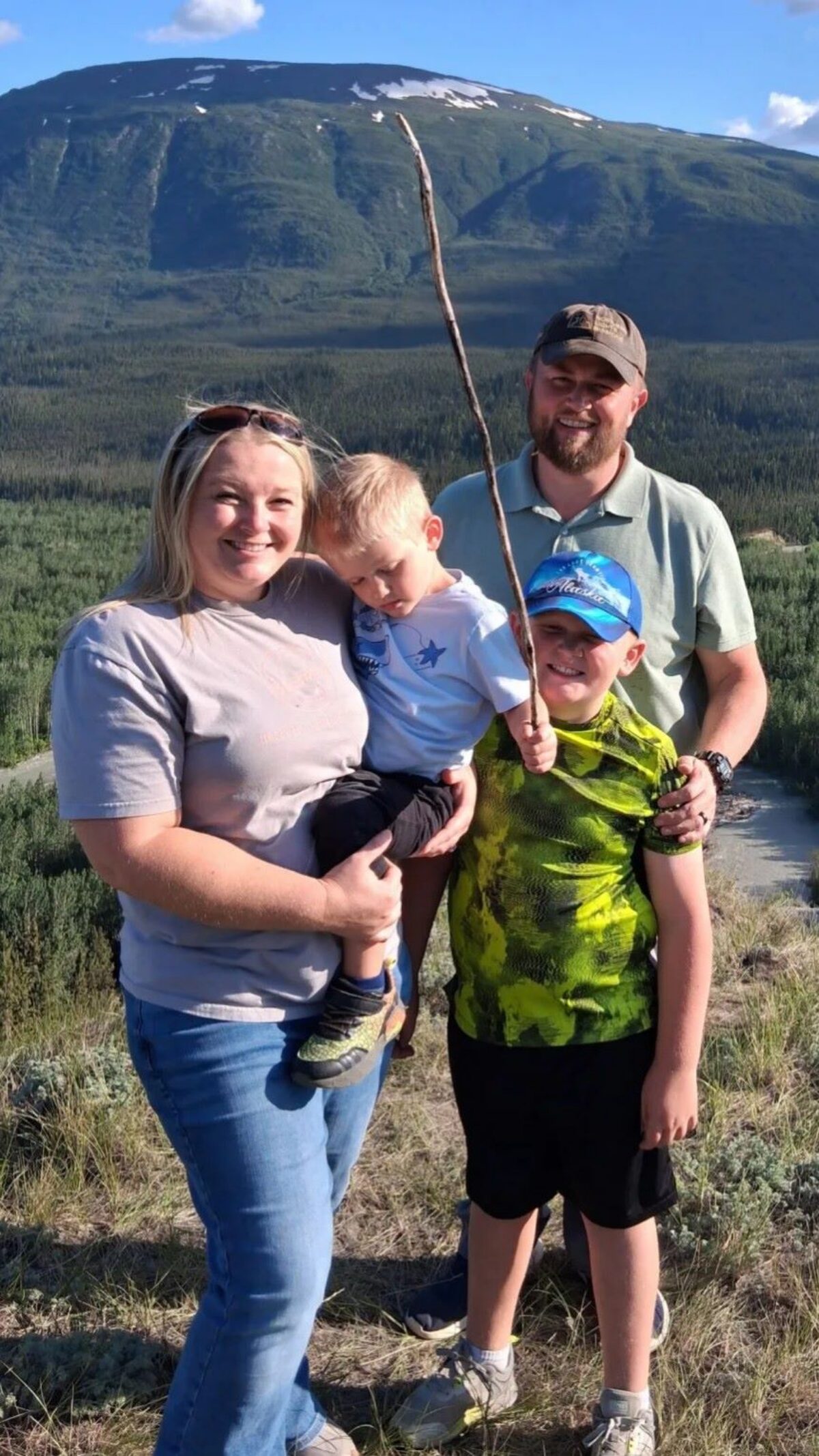
Brian Williams spent 20 years in law enforcement before God called him into ministry. He didn’t start seminary until he was 40, when he began pursuing his Master of Arts in Christian Ministry degree (MACM) with a concentration in Intercultural Studies at Grace Theological Seminary.
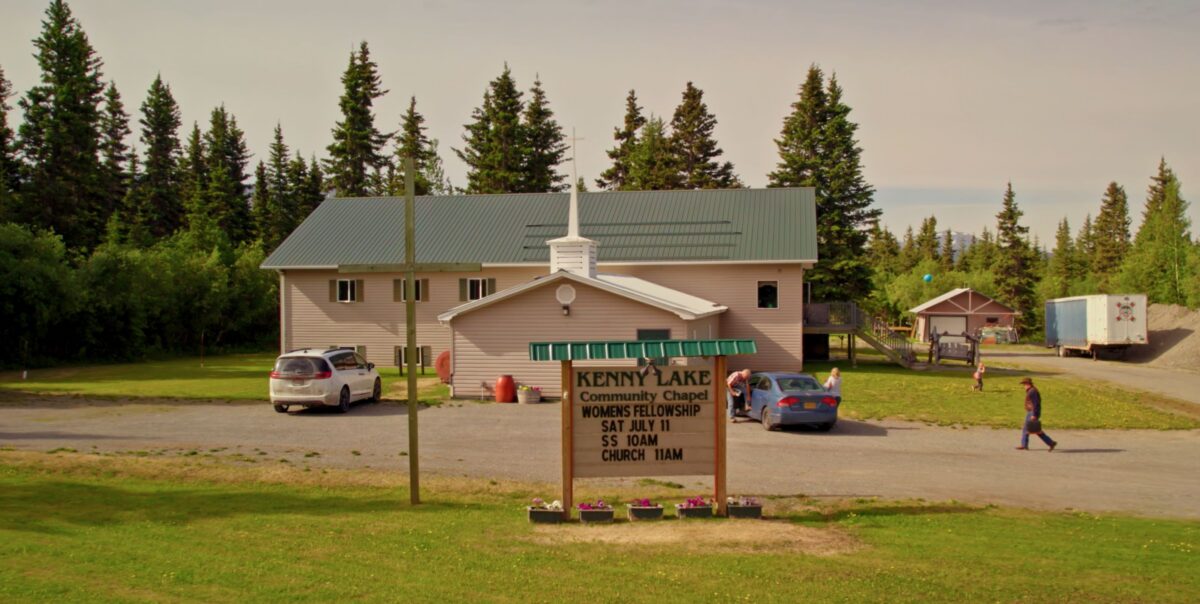
Today, he’s a church-planter and pastor in Kenny Lake, Alaska, one of the most remote communities in the country.
What does Williams’ ministry in Kenny Lake look like, and why did he choose to get an intercultural studies degree?
Ministry in Kenny Lake, Alaska
Kenny Lake, Alaska, sits more than four hours away from any major airport and the closest Walmart. The closest 24-hour convenience store is 45 minutes away. And there’s a reason there’s not much up there. Winters regularly hit 40 to 50 degrees below zero, cold enough that cars have a hard time starting.
When Williams felt the call to ministry, however, he knew Alaska was the place. “God had given me a burden to engage the Alaska Native people of this area, whom I served years ago as a state trooper,” he said.
Though Williams and his wife were living in Georgia when they felt called to missions, their church encouraged and supported them. The couple took a North American Mission Board (NAMB) assessment, and they were directed to Kenny Lake.
“I knew we were going to be back in Alaska, and I knew it was going to be in rural Alaska,” Williams said. “But I had no idea where Kenny Lake, Alaska, was.”
Although they didn’t know everything the Lord had in store for them, the couple decided to faithfully follow where the Lord was calling them.
Why Williams Chose to Pursue Seminary
Williams sought to further his theological education as he and his wife were going through the NAMB assessment process in the fall of 2024.
He didn’t even need to shop around. Before applying, he read through the seminary doctrinal statements. “I was looking for a program where I could just focus on what God had called me to do,” Williams said. “The only school that I ever applied for was Grace Theological Seminary.”
Williams was later approved as a Lead Church Planter in November 2024. At that time, he had an associate’s degree, around 26 additional hours of Bible College, and volunteer ministry experience.
Williams was provisionally accepted to Grace and began his seminary journey in the Spring 2025 semester. Grace created a path for him to earn his Christian ministry degree in Intercultural Studies affordably, using the credits and experience he had already earned. Williams is still in the program today, and he hopes to pursue an M.Div. and possibly a Doctorate if the Lord allows.
Why an Intercultural Studies Degree is Helpful
Building a church in Kenny Lake, Alaska, is very different from church-planting in other communities in the country.
“People move here to get away from things,” Williams said. “Trying to build a church and getting people to understand their need for Christian community is sometimes a foreign concept.”
One thing, however, that helps Williams connect with the people is creation. “You get a lot of people that are moving out here to find themselves,” Williams said. “We’re surrounded by God’s beautiful creation, so it’s not hard to get somebody into a conversation about that. But we also have to direct them to the Creator.”
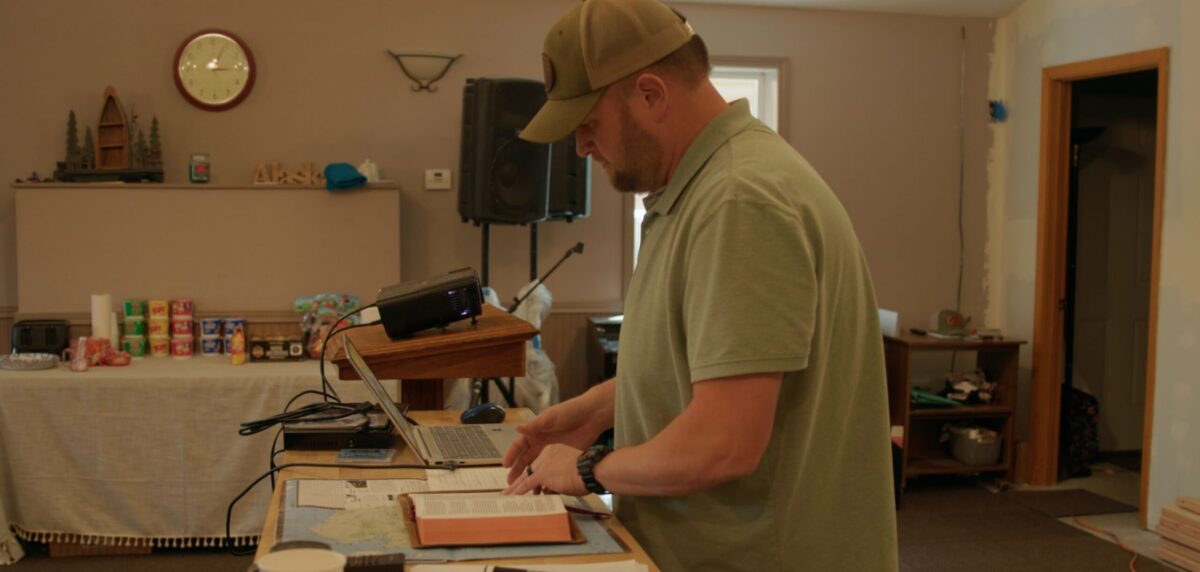
Every week, Williams preaches around three connections drawn from John 15: prayer, God’s Word, and fellowship with other believers. He believes that real ministry happens through presence, showing up, staying through the winters, and living life alongside the people he serves.
“If it’s 40 below and I can get up here and preach on Sunday, I’m going to be there,” Williams said. “There might be one other family there. Just being there for them is the work of ministry.”
This conviction led Williams to found Fields of Alaska Ministries, a nonprofit with a vision far bigger than a single congregation. Their mission is to plant churches throughout the Copper River Valley in communities without any ongoing discipleship.
An influential part of Williams’ ministry is his training at Grace Theological Seminary. Grace’s online programs give students the flexibility to keep working while they study. “It works well with my schedule,” Williams said. “The flexibility of it allows me to keep up with the busyness of life.”
Christian Ministry Degree: Seminary Training Lived Out
The MACM Intercultural Studies concentration has challenged Williams to put himself in others’ shoes and see the situation through the lens of history and their experience.
“I appreciate being taught the various methods and frameworks, while staying within conservative Christian Doctrine,” Williams said. “The intercultural studies program has helped me better understand why people believe differently than I do, and this helps me reach them with Christ.”
He has used concepts from his Intercultural Evangelism class to share with his church members as resources to help them understand Ahtna culture. This semester, in his hermeneutics class, he is taking concepts he learned and using them in his mid-week Bible studies.
“This reminds me of how Jesus trained His disciples,” Williams said. “He trained them for a bit and sent them out, and repeated the process.”
This summer, Williams completed his Intercultural Apprenticeship with Dr. Casey and his field advisor, a long-time missionary to Alaska Native peoples. He completed an ethnography on the Ahtna people, and he is now seeing how God used those interviews to open more doors to ministry.
“We are now starting a Discipleship and Bible study in the village of Chitina.” Williams shared. “I share the Ethnography material with teams who come to serve with us throughout the year and with others in Alaska burdened to disciple in Alaska Native communities.”
Seminary on the Mission Field
In many ways, Alaska is still a mission field. The church death rate is very high, with communities being reached with the Gospel, but still many that have never been discipled.
Through seminary training in the intercultural studies program, Williams gained theological grounding that now shapes how he approaches everything from Gospel conversations with people searching for meaning in Alaska’s wilderness to the weekly rhythm of prayer, Scripture, and fellowship as the foundation of his church.
Most of all, it shapes how he understands his own qualification for his calling: “God doesn’t call the equipped. He equips the called,” Williams said. “All it takes is a yes, and when you go into it with a whole heart, He’s going to provide.”
Williams is a perfect example that when you’re following God’s calling, it’s never too late to start your seminary journey. “I turned 40 on the road up here to serve here,” Williams said. “Especially in the Western church, we kind of get in this mentality where you get called to ministry at a young age, you go to Bible college, you go to seminary, and there’s this cookie-cutter example. That’s something God has really burdened me with. It doesn’t have to be that way for everybody. God is a creator; He’s not a replicator.”
Are you wondering if seminary is the right next step for you? Talk to an admissions counselor today!
FAQ’s
-
No. Grace Theological Seminary trains students at every stage of life, and calling to ministry isn’t limited to those who start young.
-
Yes! Grace’s programs are designed to give students the flexibility to keep working while completing their degree.
-
The MACM is a 48-credit-hour graduate degree at Grace Theological Seminary, typically completed in about two years full-time or three years part-time, with concentrations available in chaplaincy, intercultural studies, local church ministry, women’s leadership, and worship leadership. It’s built for those who want deep, focused ministry training without the full scope of a Master of Divinity.
-
A church planter starts a new congregation from the ground up, often in a community with little or no existing Christian presence, building relationships, discipling early believers, and establishing the rhythms of worship, prayer, and fellowship that grow into a lasting church.
-
Yes. Grace Theological Seminary’s Intercultural Studies concentration, available through both the M.Div. and MACM, equips students with the theological and practical training needed to minister effectively across cultural and language differences, whether across the globe or across a rural community very different from where they grew up.
Share
Tagged With Master of Arts Alumni Stories