February 5, 2026
What does faith mean at a Theological Seminary?
Written By Grace Theological Seminary
Tagged With Master of Divinity

Faith is one of those words that is commonly used but not always understood. Some of that confusion comes from the many different ways the word faith is used in everyday conversation; a quick look at Dictionary.com shows seven different uses! One common way people use the word faith is to refer to belief in something despite the lack of evidence. But is that what the Bible means by faith? The answer is a resounding no! So what does faith mean? Maybe even more importantly, what is faith in the Bible?
For students considering seminary or pursuing theological education, this question is foundational. How faith is defined shapes how Scripture is interpreted, how doctrine is taught, and how ministry is lived out in the local church.
This is why theological education matters. Grace Theological Seminary exists to help current and future ministry leaders develop a clear, biblical understanding of foundational doctrines like the nature of saving faith, so they can see faith at work as they lead, teach, and disciple with confidence and conviction.
What does faith mean according to the Bible?
The closest that the Bible comes to offering an exact definition is Hebrews 11:1 – “Now faith is the assurance of things hoped for, the conviction of things not seen.” From this particular passage, we see that the central feature of faith at work is confidence or trust. In theological education, faith is not treated as an abstract idea, but as a central biblical doctrine that must be carefully studied and rightly taught.
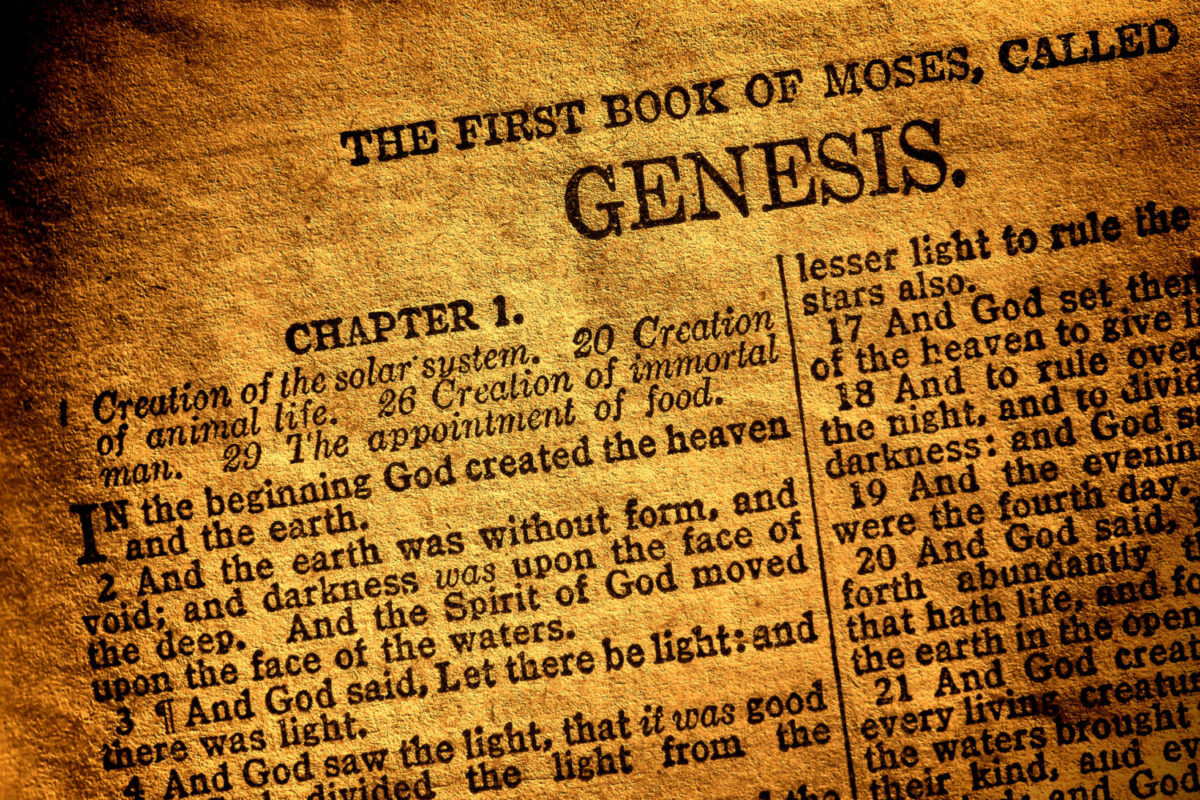
So what is faith in the Bible? It is a confident trust in God (as revealed in Scripture) and his promises. A clear example of this is Abram’s encounter with God in Genesis 15. In response to God’s promise of countless descendants, Abram “believed the LORD, and he counted it to him as righteousness.” (Gen 15:6). Commenting on this, the Apostle Paul writes, “No unbelief made him waver concerning the promise of God, but he grew strong in his faith as he gave glory to God, fully convinced that God was able to do what he had promised.” (Rom 4:20-21). Thus, faith at work means putting your trust in God through Jesus Christ and having confidence that he will fulfill his promises.
Faith is more than intellectual agreement. To use an old illustration, imagine you are at Niagara Falls watching a tightrope walker push a wheelbarrow across the rope high above the falls. After watching him go back and forth several times, he asks for a volunteer to sit in the wheelbarrow as he pushes it across the falls. At an intellectual level, you may believe that he could successfully push you across the rope over the falls, but you are not exercising biblical faith until you get in the wheelbarrow and entrust yourself to the tightrope walker.
One of the goals of seminary training is to help students move beyond intellectual agreement to lived, obedient faith at work. A strong seminary education prepares ministry leaders to teach faith not merely as intellectual belief, but as wholehearted reliance on Christ.
Genuine biblical faith expresses itself in everyday life. James writes that “faith by itself, apart from works, is dead” (James 2:17). Faith works through love to produce tangible evidence of its existence in a person’s life (Gal 5:6). Put another way, the obedience that pleases God comes from faith (Rom 1:5; 16:26) rather than a mere sense of duty or obligation. There is all the difference in the world between the husband who buys his wife flowers out of delight and one who buys them simply out of duty.
Faith is so important because it is the means by which we have a relationship with God: “For by grace you have been saved through faith” (Eph 2:8). Faith is how we receive the benefits of what Jesus has done for us. He lived a life of perfect obedience to God, died to pay the penalty for our sinful rebellion against God, and rose from the dead to defeat sin, death, and the devil. By putting our faith in him, we receive forgiveness for our sins and the gift of eternal life.
So what does faith mean? Simply put, faith means relying completely on who Jesus is and what he has done to be made right with God. For those considering a call to ministry, a seminary education provides the space to deepen that faith while learning how to live it out faithfully.
Are you considering a faith-filled call to Christian ministry? At Grace Theological Seminary, you will receive theological education designed to help you grow in your faith on your way to equipping others to do the same.

Matthew S. Harmon
Matthew S. Harmon (PhD, Wheaton College) is Professor of New Testament Studies at Grace College and Theological Seminary in Winona Lake, Indiana. He holds a degree in Telecommunications from Ohio University, a Master’s of Divinity from Trinity Evangelical Divinity School, and a Ph.D. from Wheaton College. He is the author of numerous books, including commentaries on Galatians, Philippians, 2 Peter, and Jude, and several books on biblical theology. His areas of specialty include hermeneutics and how the biblical authors use Scripture. Before becoming a professor, he served on staff with CRU for eight years. Matt also serves as a Fellow with the Carson Center for Theological Renewal. He is the cohost of two podcasts: The Various and Sundry Podcast with John Sloat and The Biblical Theology Briefing with Ben Gladd. You can see more at www.docharmon.org
Share
Tagged With Master of Divinity